
Louisville & Jefferson County, KY · 24/7
Storm Damage Restoration
Wind, hail, fallen trees, and water intrusion - emergency response.
IICRC Certified
S500 / S520 standards
EPA Lead-Safe (RRP)
Certified renovator
Insurance Approved
Direct billing
BBB Accredited
Local & trusted
4.7 ★ Reviews
Louisville homeowners
Storm Damage Restoration in Louisville & Jefferson County
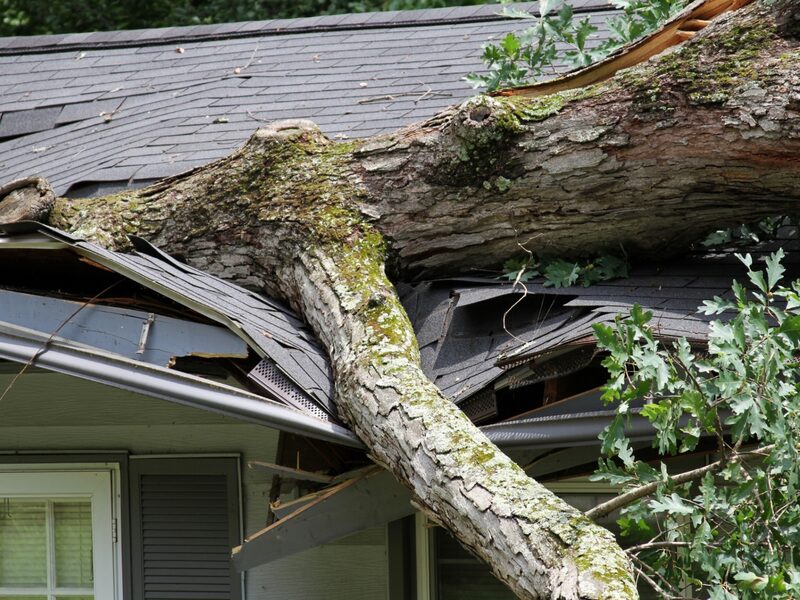
Kentucky storms are unpredictable and severe. From the derecho-style straight-line winds that swept through Jefferson County in recent summers, to ice storms that load roofs past their design limits, to hail events that pit siding and break skylights, our crews respond after every major Louisville-area weather event.
Storm response is sequential: stabilize first (board-up, tarping, water mitigation), then document the loss for your carrier, then fully restore. Skipping or shortcutting the stabilization step almost always increases the total claim - secondary water damage and theft after a storm are leading causes of claim escalation.
We coordinate the full response: emergency board-up and roof tarping, water extraction and structural drying, debris removal, mold prevention, and the eventual rebuild. One team, one project manager, one phone number.
- Emergency board-up and roof tarping
- Tree and debris removal coordination
- Water extraction from storm intrusion
- Structural drying and dehumidification
- Insurance documentation & claim help
Common Causes
What causes storm damage restoration in Louisville homes
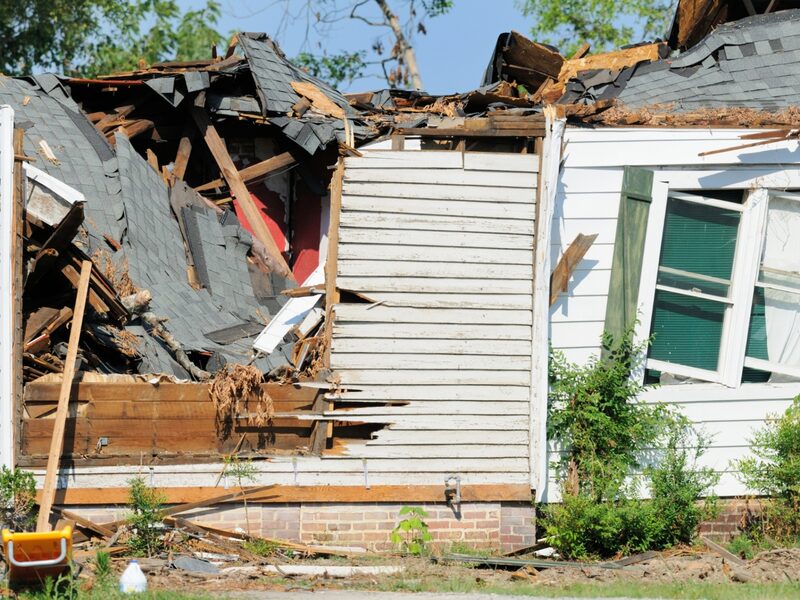
Straight-line winds & tornadoes
Roof breaches, fallen trees on structures, broken windows, and lifted siding.
Hail
Damages roofing, gutters, soft metals, vehicles, and skylights - often invisible from the ground.
Heavy rain & flash flooding
Overwhelmed storm sewers push water into basements; saturated soil causes foundation seepage.
Ice storms & ice dams
Load roofs and trees past failure; ice dams force meltwater backwards under shingles.
Lightning
Direct strikes can cause structural fires, electrical surges, and HVAC damage.
Snow load
Heavy wet snow on flat or low-slope roofs causes collapses, especially on aging commercial structures.
Warning Signs
How to tell you have a problem
- Missing, lifted, or curled shingles after a wind event
- Granule loss on shingles (visible in gutters)
- Dents or pitting on soft metal vents, gutters, or AC fins
- Cracked or shattered windows and skylights
- Water staining inside from roof or window intrusion
- Fallen branches on the roof or against the structure
- Sagging or visibly damaged roof line
What To Do Right Now
Before our crew arrives
- 1
Stay safe first
Avoid downed power lines, weakened structures, and standing water near electrical service. Wait for utility clearance before re-entering damaged areas.
- 2
Document from a safe distance
Photograph all visible damage before cleanup or temporary repairs.
- 3
Get emergency board-up & tarping
Most policies require - and reimburse - reasonable emergency mitigation. We respond 24/7.
- 4
File the claim
Notify your carrier and request a field adjuster visit. We can join the inspection.
- 5
Don't sign with door-knockers
Major storms attract out-of-state storm-chaser contractors. Insist on local references and verify Kentucky licensing before signing anything.
How It Works
Our Process
- 1
Stabilize
Board-up, tarping, and water mitigation to prevent further damage.
- 2
Document
Photos and detailed scope for your insurance carrier.
- 3
Mitigate
Water extraction, drying, and debris removal.
- 4
Restore
Repairs and rebuild coordination as needed.
On The Job
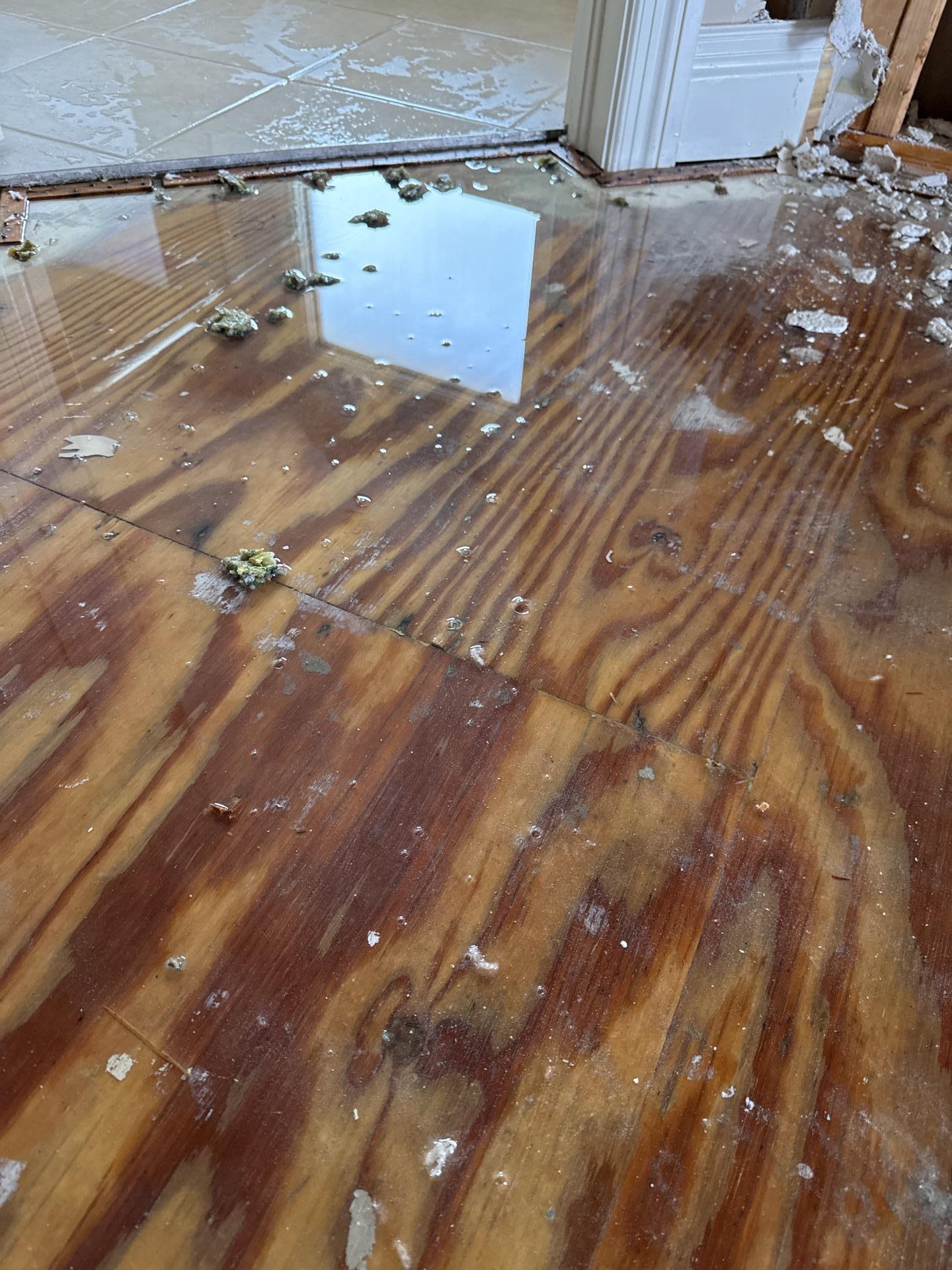
Recent storm damage restoration work in Louisville
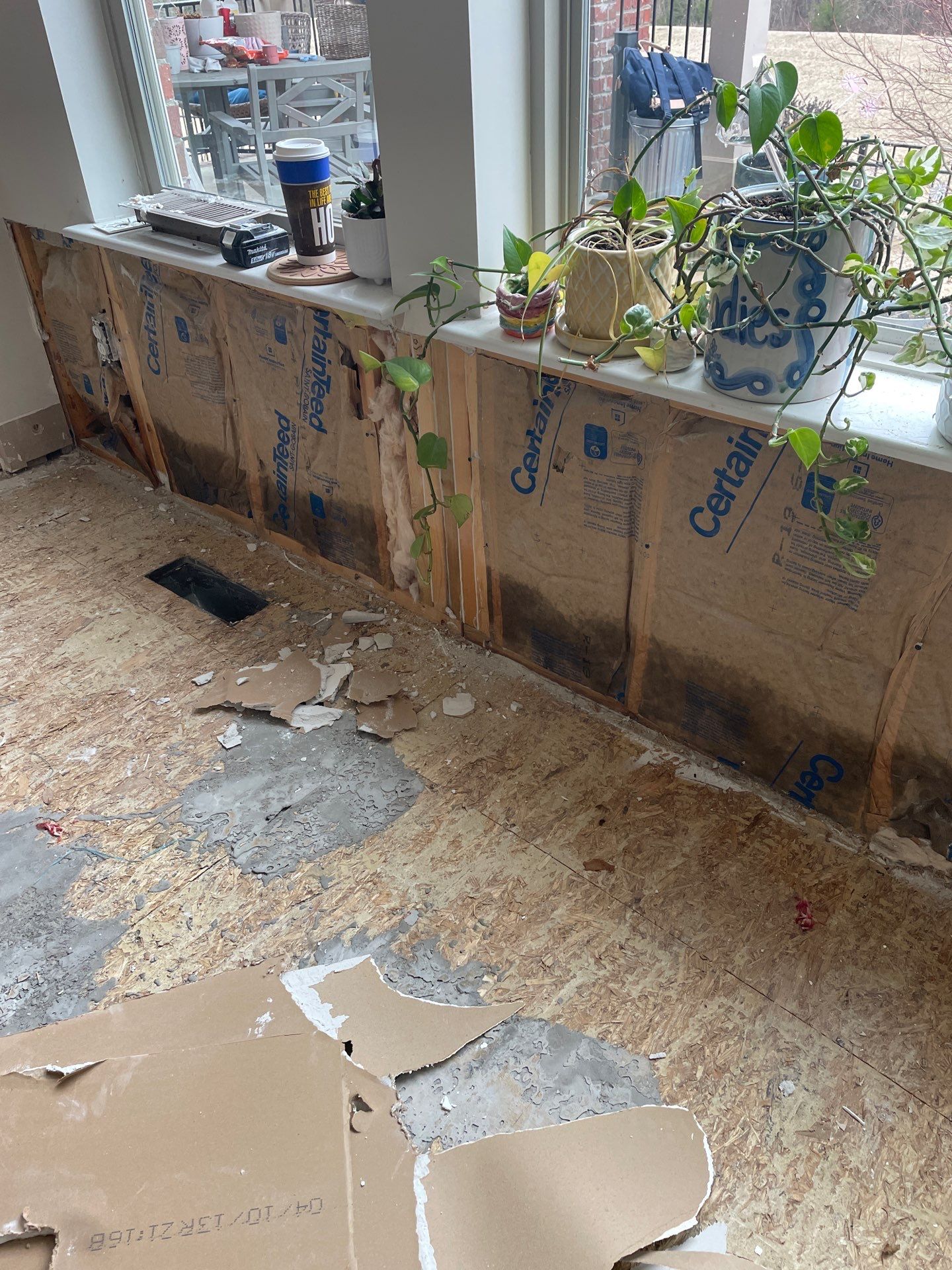
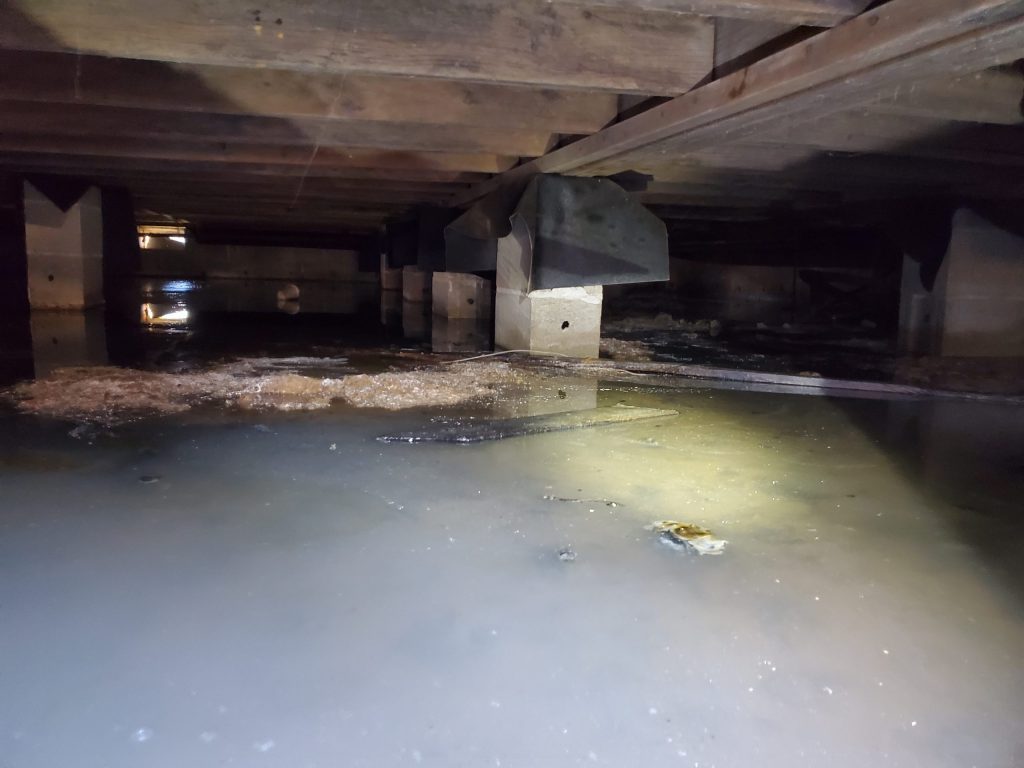
Real photos from IRS crews on Jefferson County job sites - not stock imagery.
Professional Equipment
The equipment we bring on every job
Consumer-grade tools won't reach professional dry standard or meet industry remediation requirements. Our crews arrive fully equipped from a Louisville-based fleet - no waiting on rented gear from out of town.
- Heavy-duty roof tarping kits (poly, lath, framing)
- Plywood and OSB board-up materials
- Truck-mounted water extractors
- Industrial drying and dehumidification fleet
- Generators for power-out response
- Tree and debris removal partners on call
Standards & Certifications
Held to documented industry standards
Storm response combines IICRC S500 (water), S700 (smoke when lightning fires occur), and standard construction trades. Kentucky contractor credentialing and city of Louisville permitting requirements apply to all reconstruction work.
Local & Independent
Why Louisville homeowners choose a local restoration team
After a major storm, response capacity matters. Out-of-area storm chasers leave when the next event hits another state. We're permanently based in Louisville and answer for our work years later.
We know Louisville and Jefferson County permitting, code, and inspection requirements - critical for rebuild work that touches roofs, structural framing, or electrical.
Insurance & Pricing
Direct insurance billing - and what to expect on cost
Most homeowners and commercial policies cover wind, hail, and storm damage at full replacement cost. Flood from rising surface water is a separate NFIP policy.
We document each damaged component with photos and Xactimate-aligned scope so your adjuster has what they need to approve the claim.
Typical project ranges
Storm losses scale enormously with severity. Emergency tarping starts at a few hundred dollars; complete tree-through-roof rebuilds can reach six figures. Most are covered by insurance.
Related Services
Specialized storm damage restoration services
Emergency Board-Up & Roof Tarping
Same-day board-up and tarping after fire, storm, or vehicle impact.
Learn more →Ceiling Water Damage Repair
Find the leak, dry the ceiling, repair drywall - start to finish.
Learn more →Flooded Basement & Crawl Space Cleanup
Pump-out, drying, and restoration after a flooded basement, garage, or crawl space.
Learn more →Reconstruction & Rebuild
One team from mitigation through full rebuild - no second contractor.
Learn more →Service Area
Storm Damage Restoration across Jefferson County, KY
Locally dispatched from Louisville to every community in our service area.
Storm Damage in LouisvilleStorm Damage in JeffersontownStorm Damage in St. MatthewsStorm Damage in ShivelyStorm Damage in Fern CreekStorm Damage in MiddletownStorm Damage in ProspectStorm Damage in New AlbanyStorm Damage in ClarksvilleStorm Damage in ShepherdsvilleStorm Damage in Mount WashingtonStorm Damage in HillviewStorm Damage in CrestwoodStorm Damage in La GrangeStorm Damage in ShelbyvilleStorm Damage in ElizabethtownStorm Damage in RadcliffStorm Damage in TaylorsvilleStorm Damage in CharlestownStorm Damage in SellersburgStorm Damage in CorydonStorm Damage in Vine GroveStorm Damage in Brandenburg
Other restoration services we offer
Insurance Carriers
We work directly with your insurance company
We bill most major homeowner and commercial carriers directly, including:

Don't see your carrier? We work with many more insurance companies across Kentucky. Call (502) 883-5043 to confirm yours.
FAQ
Storm Damage Restoration FAQ
Additional resources
- Jefferson County Emergency Management
- City of Louisville: Severe Weather Information
- NFIP Flood Insurance (FEMA)
External links to authoritative agencies, standards bodies, and government resources.
From our blog
Louisville guides on storm damage restoration
Storm
Tornadoes, Derechos, and Severe Storm Damage in Louisville
Louisville sits in the eastern edge of tornado alley and the path of the derecho events that occasionally tear across the Ohio Valley. When a 90 mph straight line wind or an EF-2 tornado hits, the first 24 hours decide your insurance outcome.
Storm
Ice Dams and Roof Leaks in Louisville: What Causes Them and How to Stop the Damage
Louisville does not get Wisconsin winters, but two cold snaps a year with overnight snow followed by sunny afternoons is plenty to form ice dams. When meltwater backs up under shingles, ceilings leak in rooms nowhere near the roof edge.
Water Damage
Ohio River and Flash Flooding in Louisville: A Homeowner's Guide
From the 1937 flood of record to the spring storms that still overwhelm Beargrass Creek every few years, Louisville floods. Here is how to protect your home, what to do when water gets in, and which neighborhoods take the worst of it.
Reviews
What Louisville Says About Us
5.0
Need restoration help right now?
We're available 24/7 across Louisville and Jefferson County. Call now or request a free estimate.